The new Skilling Africa with Google platform brings more than 15 training initiatives into one learning hub, with offline access designed to help learners overcome internet connectivity and data cost barriers.
Google has launched a new digital learning platform aimed at expanding access to artificial intelligence (AI) and digital skills training across Africa, setting a target of equipping three million people with relevant skills by 2030.
The platform, known as Skilling Africa with Google, was launched on November 2, 2026. It brings together more than 15 of Google’s existing training initiatives in a single learning hub, offering free courses covering artificial intelligence, cloud computing, digital skills, entrepreneurship and career development.
The initiative seeks to make digital learning more accessible to students, developers, entrepreneurs, professionals and other Africans seeking to improve their skills as AI adoption expands across industries.
According to information published about the launch, the platform builds on Google’s previous efforts to provide foundational digital training to more than seven million young Africans. The new three-million-person target represents the company’s next stated ambition for expanding digital and AI skills development across the continent.
A Single Platform for Multiple Training Programmes
One of the central features of Skilling Africa with Google is the consolidation of multiple training programmes into one digital learning environment.
The platform brings together initiatives such as Google Career Certificates, Hustle Academy and Google Cloud Skills, giving learners access to courses designed for different professional and entrepreneurial needs.
Google Career Certificates provides training in areas such as information technology support, data analytics and cybersecurity. Hustle Academy focuses on helping small and medium-sized businesses strengthen their business management and growth strategies, while Google Cloud Skills offers technical learning resources for developers and IT professionals.
By bringing these programmes together, Google aims to simplify access to its training resources and make it easier for learners to identify courses relevant to their career goals.
The platform is accessible through a web browser, with Google sign-in designed to simplify entry. Learners can explore available courses without needing to download a separate application from an app store.
Offline Learning Designed to Address Africa’s Connectivity Challenges
A major feature of the new platform is its offline learning capability, which is designed to address some of the barriers that prevent Africans from participating in online education.
Although internet access continues to expand across the continent, high data costs, inconsistent connectivity and limited access to suitable devices remain challenges for many learners.
Google says the platform uses a data-efficient design that allows users to download short lessons over Wi-Fi and complete them later without an active internet connection.
This approach could benefit learners who have limited access to affordable mobile data or live in areas where reliable internet connectivity is difficult to maintain.
The platform also offers an AI-powered learning assistant called SCOUT, short for Smart Companion for Online Understanding and Training. The assistant is designed to provide personalised learning support and help users navigate their training journeys.
Other features include interactive learning pathways, progress tracking, badges and learning streaks intended to encourage users to continue their courses.
However, the effectiveness of these features in improving course completion and practical skills development will need to be assessed as more learners use the platform.
Addressing Africa’s Growing AI Skills Gap
The launch comes as African governments, businesses and educational institutions explore ways to prepare their populations for an economy increasingly influenced by artificial intelligence.
AI applications are being developed and adopted across sectors, including agriculture, healthcare, education, financial services and public administration. These developments are creating demand for people who can use AI tools effectively, develop new applications and integrate the technology into existing businesses and services.
However, access to training remains an important part of the challenge.
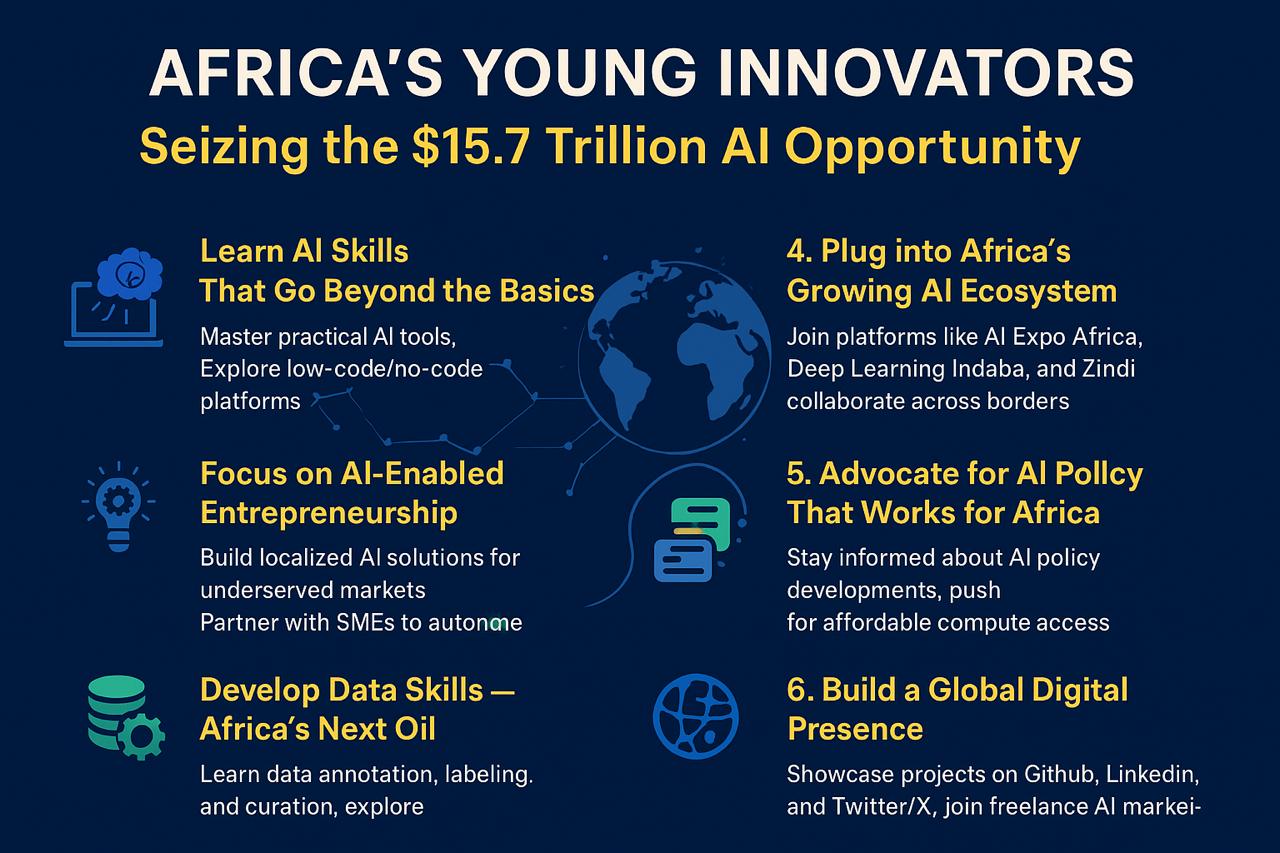
In a November 2025 announcement, Google outlined an AI Skilling Blueprint for Africa that called for coordinated efforts to develop AI literacy among the general population, improve the ability of professionals to implement AI tools, and support innovators building new technologies.
The blueprint highlighted the importance of preparing not only AI developers and researchers but also workers, educators, entrepreneurs and other professionals who will use AI in their daily activities.
Skilling Africa with Google builds on this broader focus by bringing existing training resources into a single platform and making them available to a wider audience.
For African entrepreneurs and small businesses, access to digital and AI training could help improve productivity, strengthen online operations and support the development of new products and services.
For students and job seekers, the courses could provide opportunities to develop technical competencies and explore career pathways in the digital economy.
Nevertheless, access to training alone does not guarantee employment or business success. The extent to which the initiative improves economic opportunities will depend partly on learners’ ability to apply their skills, the relevance of the courses to local labour markets and the availability of jobs and entrepreneurial opportunities.
Three Million Learners by 2030: What Success Will Look Like
Google’s target of equipping three million people with digital and AI skills by 2030 places the new platform within the broader effort to expand Africa’s digital workforce.
The company has previously reported training more than seven million young Africans through its foundational digital skills programmes. The new initiative seeks to build on that experience by expanding access to a wider collection of learning resources.
However, the three-million-person figure is a future target rather than a measure of results already achieved through the new platform.
Assessing its impact will require more than counting registrations. Relevant indicators could include the number of learners who complete courses, the number who earn recognised certificates, the practical skills they acquire and whether those skills contribute to employment, business growth or the development of new technologies.
Publishing transparent progress reports would help learners, employers and policymakers understand how effectively the initiative is meeting its objectives.
It will also be important to establish whether the platform reaches underserved communities, including people with limited connectivity and learners who face financial or other barriers to digital education.
Opportunities and Questions for Africa’s AI Future
The launch of Skilling Africa with Google adds another initiative to the growing effort to prepare Africans for the opportunities and challenges associated with artificial intelligence.
Its emphasis on free training and offline access addresses practical barriers that can limit participation in digital education. Bringing multiple programmes together could also make it easier for learners to find relevant courses without navigating several separate platforms.
For countries such as Nigeria, where young people are exploring opportunities in technology, entrepreneurship and digital services, accessible training resources could provide an additional route to developing AI-related skills.
Yet the wider challenge extends beyond training individuals to use existing tools. Africa also needs researchers, engineers, entrepreneurs and institutions capable of developing AI systems that respond to the continent’s social, economic and linguistic realities.
This will require sustained investment in education, reliable digital infrastructure, research, local innovation and opportunities for skilled people to apply their knowledge.
For now, Skilling Africa with Google offers learners a free entry point into Google’s digital and AI training resources. Whether it reaches three million people by 2030, and how many of those learners translate their training into tangible opportunities, will be important measures of its long-term impact.
How to access the platform
Interested learners can explore the available courses through the official Skilling Africa with Google website:
https://skillingafrica.withgoogle.com
The platform is presented as free and open to learners across Africa.