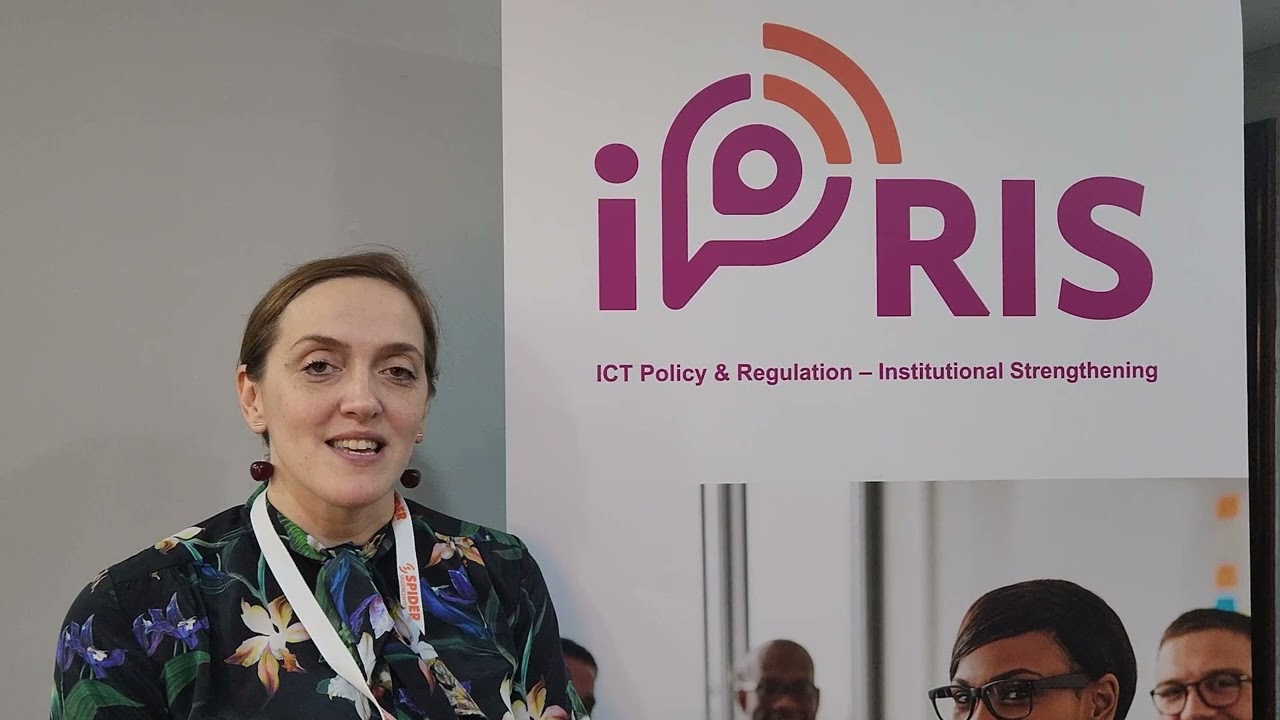
NAIROBI, Kenya -African information and communications technology regulators have converged in Nairobi for a five-day regional programme focused on strengthening the continent’s ability to regulate artificial intelligence, cybersecurity, digital platforms and other rapidly evolving technologies.
The meeting, which runs from October 5 to 9, 2026, is part of the eighth cohort of the ICT Policy and Regulation Institutional Strengthening Programme (iPRIS). It brings together regulators from Sierra Leone, Mauritius, Namibia, Zimbabwe, Tanzania and Liberia, alongside regional regulatory organisations and international partners.
The discussions come at a time when African governments are under increasing pressure to ensure that regulation keeps pace with the rapid adoption of artificial intelligence and other digital technologies.
AI creates new opportunities and regulatory challenges
Artificial intelligence is increasingly being deployed across sectors including financial services, healthcare, education, government and telecommunications.
While the technology presents opportunities for economic growth, productivity and improved public services, its rapid development is also creating new questions around privacy, transparency, accountability, cybersecurity and consumer protection.
Speaking at the opening of the Nairobi programme, David Mugonyi, Director General of the Communications Authority of Kenya, said advances in AI, digital platforms and next-generation networks were creating significant opportunities while simultaneously presenting increasingly complex regulatory challenges.
He stressed the need for regulators to remain agile, evidence driven and collaborative as technology continues to evolve.
For African regulators, the challenge is becoming increasingly complicated because technologies no longer operate within clearly defined sectors.
An AI system, for example, could process personal data, influence financial decisions, operate through a digital platform and depend on telecommunications infrastructure at the same time. This means that issues involving AI can also become issues of data protection, competition, consumer rights and cybersecurity.
Regulators call for greater cross-border cooperation
The Nairobi meeting is also highlighting the importance of regional cooperation as digital threats increasingly cross national borders.
Officials from the participating countries are being joined by regional bodies including the East African Communications Organisation (EACO), the Communications Regulators’ Association of Southern Africa (CRASA) and the West Africa Telecommunications Regulators Assembly (WATRA).
The involvement of these regional organisations reflects a growing recognition that many digital challenges cannot be effectively addressed by individual countries acting alone.
Cyberattacks, online fraud, digital platforms, data flows and disruptions to critical communications infrastructure can affect multiple countries simultaneously.
At the Nairobi forum, Mugonyi argued that regulators must strengthen cooperation because emerging technologies and digital threats increasingly transcend national boundaries.
For Africa, closer regulatory cooperation could also help countries share knowledge, coordinate responses and avoid developing fragmented approaches to technologies that operate across borders.
From AI policy to practical regulation
One of the major questions facing African governments is how to move from developing technology policies and AI strategies to actually implementing and enforcing them.
The iPRIS programme is designed around this challenge.
The Nairobi session is focused on helping participating regulators advance Change Initiatives, practical projects developed by regulatory authorities to address specific challenges within their respective countries.
The initiatives are intended to turn lessons from the programme into concrete institutional improvements rather than leaving them at the level of policy discussions.
The programme’s agenda includes sessions covering regulatory foresight, digital inclusion, project management, cybersecurity and the development of national strategies.
This practical approach is particularly important as African countries increasingly develop national AI policies and strategies but face challenges around implementation, institutional capacity, infrastructure and enforcement.
Cybersecurity and AI increasingly connected
Cybersecurity is another major concern being discussed by regulators.
As AI becomes integrated into digital services and critical infrastructure, regulators must consider both the opportunities and risks associated with the technology.
AI can potentially improve cybersecurity by helping organisations detect threats and analyse large amounts of data. At the same time, increasingly sophisticated AI tools can also be used to automate scams, generate deceptive content and support cyberattacks.
This creates a regulatory balancing act for African governments.
Authorities must protect citizens and businesses from emerging digital threats without creating rules that unnecessarily restrict innovation or prevent local companies and researchers from developing useful AI applications.
Consumer protection takes centre stage
The expansion of digital services is also forcing regulators to reconsider how consumers are protected.
Digital platforms and AI-powered services can make services faster and more accessible, but they can also create new risks involving personal data, automated decisions, misleading information and opaque algorithms.
Regulators therefore face the task of ensuring that consumers understand how their data is being used and that companies deploying AI systems remain accountable for the outcomes of those systems.
The Nairobi discussions place consumer protection, competition, online safety, digital trust and inclusion alongside AI and cybersecurity, reflecting the increasingly interconnected nature of Africa’s digital economy.
Digital inclusion remains a major concern
Regulation is not only about controlling risks.
African regulators are also being challenged to ensure that the benefits of digital transformation reach communities that have historically been excluded from technology.
This includes expanding connectivity, improving affordability, developing digital skills and ensuring that people in underserved communities can meaningfully participate in the digital economy.
The iPRIS programme has placed digital inclusion among the issues being examined as regulators work to strengthen their institutions and develop more effective approaches to digital transformation.
The concern is particularly important for AI because access to AI tools depends on more than internet connectivity. It also requires appropriate devices, digital skills, computing infrastructure, relevant data and services that reflect local needs.
Africa needs regulation that supports innovation
As African countries attempt to build competitive AI ecosystems, regulators face a delicate balancing act.
Overly restrictive regulation could discourage investment and innovation, while weak regulation could expose citizens and businesses to significant risks.
The Nairobi meeting therefore reflects a broader shift in Africa’s approach to technology governance: regulators are increasingly being expected not only to enforce rules but also to create environments where responsible innovation can flourish.
Kenya’s Communications Authority has described this responsibility as extending beyond writing rules and enforcing compliance to enabling innovation, protecting consumers, promoting fair competition and building an inclusive digital society.
A test for Africa’s digital governance
The Nairobi gathering comes as Africa’s digital economy continues to expand rapidly.
According to figures cited during the discussions, mobile technologies and services contributed approximately $240 billion to Africa’s economy in 2025, representing about 7.8 percent of the continent’s GDP, while supporting around 13 million jobs. That contribution is projected to reach approximately $290 billion by 2030.
The scale of the digital economy means that decisions made by regulators will increasingly influence how quickly African businesses adopt AI, how safely citizens use digital services and how effectively countries respond to emerging technological threats.
The real test, however, will come after the Nairobi meeting.
If the knowledge exchanged and regulatory initiatives developed through iPRIS translate into stronger institutions, better policies and coordinated action across countries, the programme could contribute to a more resilient African digital ecosystem.
For a continent seeking to build its own AI capabilities while protecting its citizens from emerging risks, the message from Nairobi is clear: AI regulation can no longer be treated as an isolated policy issue. It is becoming part of a much larger conversation about cybersecurity, data, competition, consumer rights, digital infrastructure and inclusion.
As artificial intelligence continues to reshape Africa’s digital economy, the effectiveness of the continent’s regulators may ultimately determine whether the technology becomes a driver of inclusive growth or another source of digital inequality and risk.