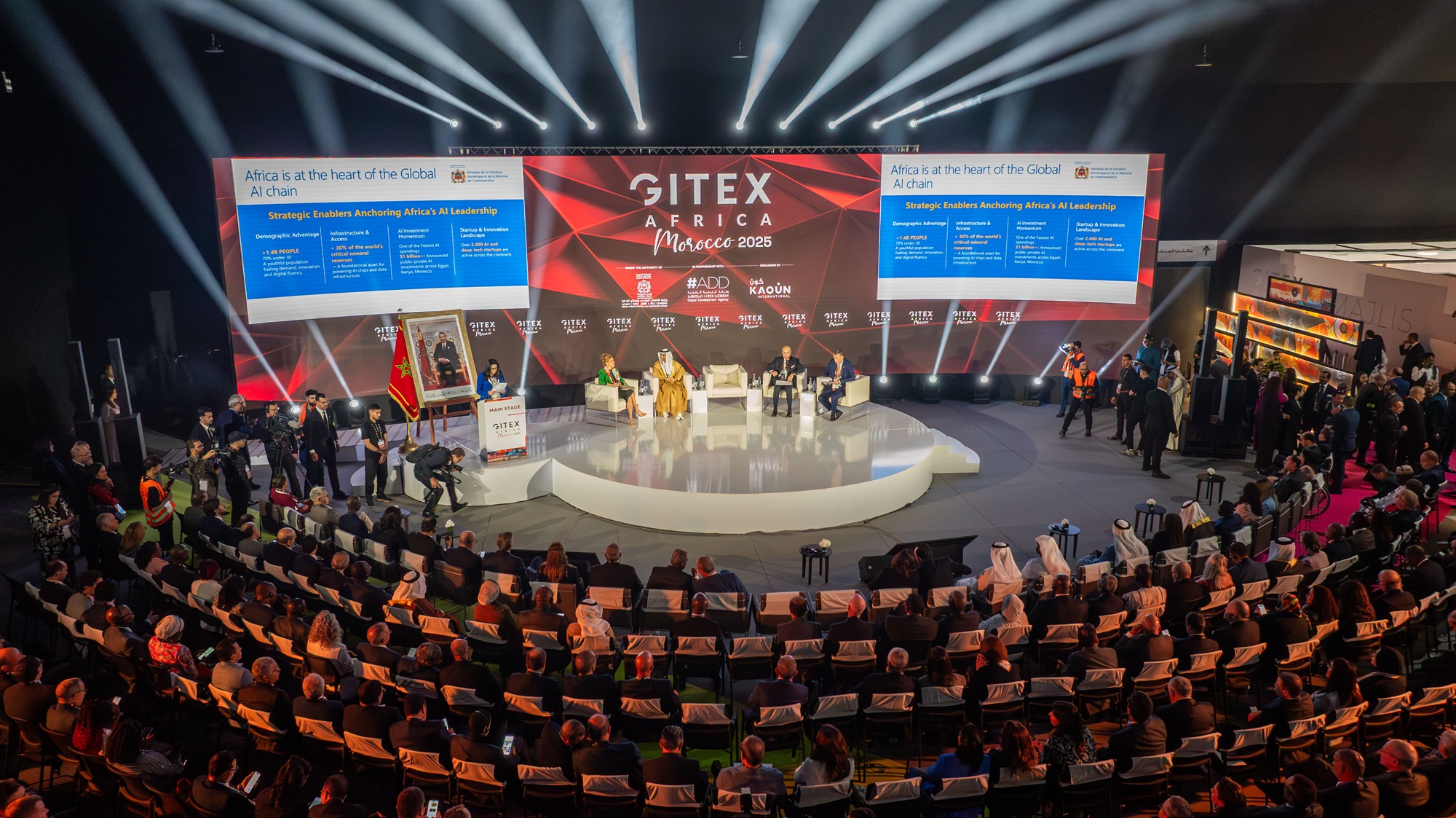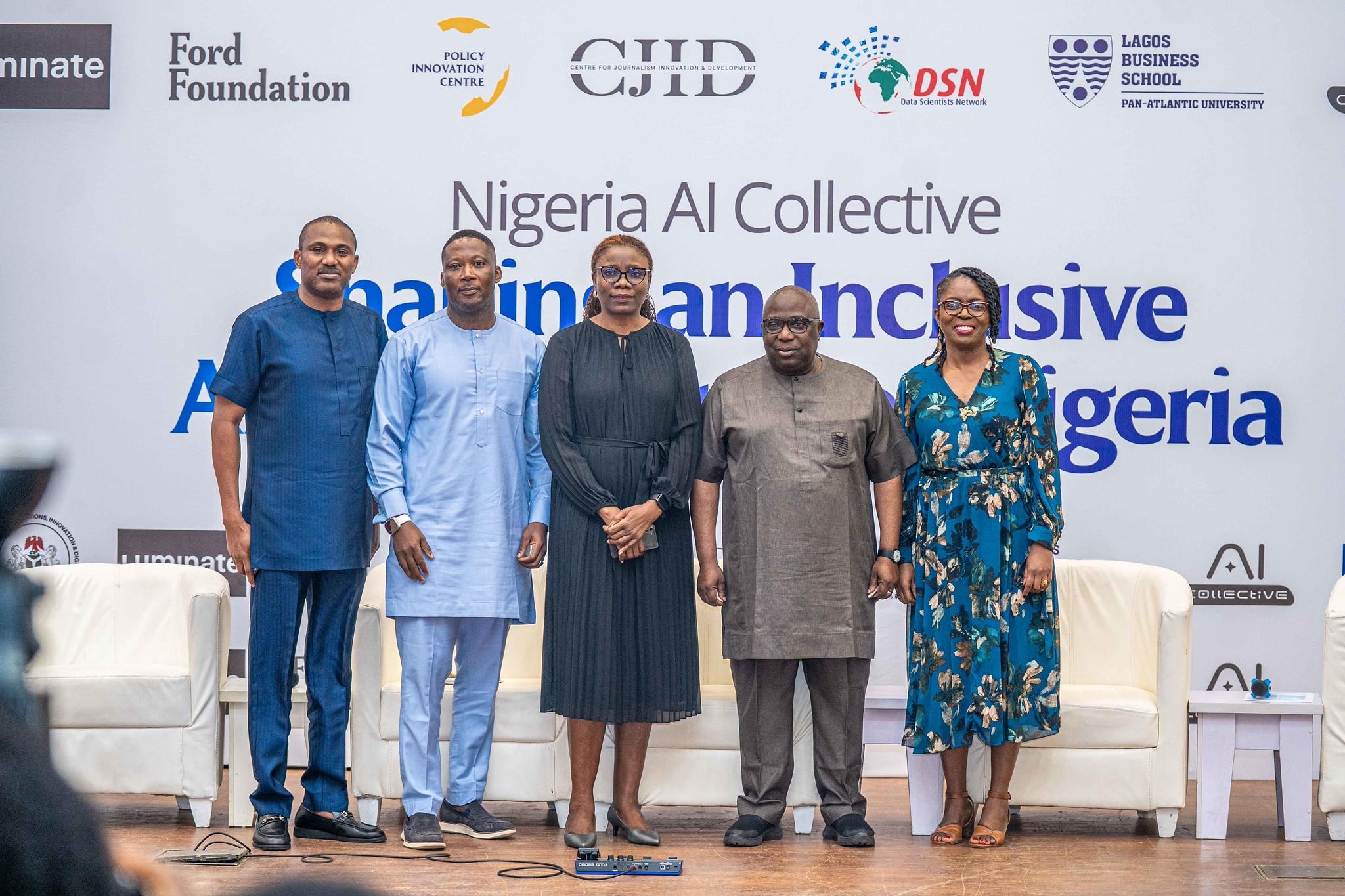
The Abuja conference will bring together policymakers, researchers, investors and technology developers to examine shared computing infrastructure, electricity access and investment as the continent seeks to expand its AI capabilities.
Nigeria is preparing to host Build 2026, a continental conference focused on shared computing resources and artificial intelligence infrastructure, as African countries seek to strengthen the technological foundations needed to support AI development and adoption.
The conference, organised by the Nigeria AI Collective under the leadership of the Federal Ministry of Communications, Innovation and Digital Economy, is scheduled to take place in Abuja on October 21 and 22, 2026.
Billed by its organisers as Africa’s Shared Compute and AI Infrastructure Conference, Build 2026 will focus on the infrastructure, investment, policies and partnerships required to expand the continent’s capacity to develop and deploy artificial intelligence.
The event comes amid growing interest in AI data centres across Africa, where governments, technology companies and investors are exploring ways to improve access to computing resources and position the continent to benefit from the expanding global AI economy.
According to the conference’s official website, discussions will cover infrastructure development, economics, digital sovereignty, technology justice, governance and ethics, and innovation.
The gathering is expected to bring together stakeholders from government, academia, industry, civil society and the technology ecosystem to examine how African countries can build, share and govern the computing infrastructure required for AI innovation.
Africa’s AI data centre capacity draws attention
The conference comes as projections point to an expansion of AI data centre infrastructure across the continent.
A report published by AI for Developing Countries Forum, through its AI Data Center Index, estimates that 19 AI data centre facilities across seven African countries could account for a combined tracked capacity of 1.3 gigawatts by 2026.
The countries identified are South Africa, Nigeria, Egypt, Morocco, Ethiopia, Kenya and Tanzania. South Africa and Nigeria feature prominently in the reported pipeline of facilities.
However, the figure requires careful interpretation. The index includes projects at different stages of development, meaning the combined capacity should not be interpreted as 1.3 GW of operational AI computing capacity. The underlying project-level data and independent verification of the aggregate figure are also important considerations before drawing conclusions about Africa’s current infrastructure capacity.
Nevertheless, the reported pipeline points to growing interest in developing the facilities needed to support data-intensive computing, cloud services and AI applications.
AI data centres house the computing equipment and supporting systems required to process large volumes of information and run AI workloads. Their performance depends not only on computing hardware but also on reliable electricity, cooling systems, connectivity and efficient infrastructure management.
For African countries, expanding access to these resources could help researchers, startups, universities and businesses develop and deploy AI applications closer to the communities they serve.
It could also create opportunities for investment in data infrastructure, technical employment and digital services.
Electricity remains a critical challenge
One of the central questions facing Africa’s AI infrastructure ambitions is whether the continent can provide reliable and affordable electricity to support increasingly demanding computing workloads.
AI data centres can consume substantial amounts of electricity, particularly when equipped with specialised processors used to train and run advanced AI models.
In countries where power supply is unreliable or electricity costs are high, operators may need to invest in backup generation, alternative energy sources and additional infrastructure to maintain uninterrupted services.
These requirements can increase the cost of building and operating data centres, potentially limiting the availability of affordable computing resources for local developers.
Build 2026 is expected to examine electricity access alongside AI-ready data centres and shared computing infrastructure, placing energy supply at the centre of discussions about Africa’s AI future.
The question extends beyond constructing more facilities. African countries must also determine how to provide sufficient power while balancing affordability, environmental sustainability and the needs of households and other industries.
Renewable energy, improved electricity grids and more efficient data centre designs could form part of the response, although their effectiveness will depend on local conditions, investment and implementation.
Shared computing could lower barriers for African innovators
Another major focus of Build 2026 is shared compute, an approach that allows multiple organisations or users to access computing resources rather than requiring each to build and maintain its own infrastructure.
Developing and running sophisticated AI applications can require expensive processors, storage systems and specialised technical expertise. These costs can place advanced computing beyond the reach of smaller African startups, research institutions and universities.
Shared computing arrangements could help reduce these barriers by allowing users to access computing capacity when needed.
Such arrangements may take different forms, including shared research infrastructure, cloud-based computing services, university computing facilities and publicly or privately supported platforms serving multiple organisations.
If designed around local needs, these resources could enable African researchers to develop AI models, test new applications and work with datasets without bearing the full cost of building dedicated infrastructure.
For startups, affordable access to computing resources could support product development in sectors such as agriculture, healthcare, education and financial services.
However, the benefits will depend on how shared resources are financed, managed and distributed. Questions around pricing, access criteria, ownership, data protection and long-term maintenance will be important in determining whether these systems serve a broad range of African innovators.
Nigeria strengthens its digital infrastructure agenda
Nigeria’s hosting of Build 2026 also comes amid efforts by the Federal Government to expand the country’s digital infrastructure and attract investment in cloud computing and data centres.
In August 2026, the Federal Ministry of Communications, Innovation and Digital Economy announced a National Digital Cloud Policy intended to provide a framework for developing the country’s cloud and data infrastructure ecosystem.
The policy identifies investment, regional digital services, government cloud transformation and digital sovereignty as key priorities. It also aims to encourage private investment in data centres, cloud services and AI computing capacity.
The government has set an initial ambition to mobilise US$250 million in private investment within the first 12 months of the policy, rising to US$750 million within 24 months.
These are policy targets rather than confirmed investments, and their achievement will depend on implementation, investor confidence and market conditions.
The policy also envisages aggregating government demand for cloud services and developing shared infrastructure to reduce duplicated spending and encourage investment.
These priorities overlap with the questions Build 2026 seeks to address: how African countries can mobilise capital, make computing more accessible and establish infrastructure capable of supporting a growing digital economy.
Infrastructure development raises questions about digital sovereignty
Beyond the physical infrastructure, Build 2026 will examine digital sovereignty, a concept concerned with how countries and communities maintain meaningful control over their digital systems, data and technological capabilities.
As AI adoption grows, African organisations face choices about where their data is stored, which companies provide their computing services and how much control they retain over the systems on which their operations depend.
Expanding local and regional infrastructure could give businesses, governments and researchers more options for hosting and processing data. However, the physical location of a data centre alone does not guarantee local ownership, affordable access or control over the technology operating inside it.
Achieving greater digital sovereignty will also require technical expertise, effective governance, competitive markets and policies that protect users while encouraging innovation.
The conference’s emphasis on governance, ethics and technology justice therefore reflects a broader debate about ensuring that Africa’s participation in the AI economy extends beyond consuming services developed elsewhere.
What Build 2026 could mean for Africa’s AI future
For African countries, the next stage of AI development will depend partly on whether the infrastructure required to support innovation becomes more accessible, reliable and affordable.
Build 2026 provides a platform for policymakers, investors, researchers and technology developers to examine these challenges and identify areas for cooperation.
Its significance will ultimately depend on whether discussions translate into practical commitments, viable financing arrangements, stronger partnerships and improved access to computing resources.
Africa’s growing AI ambitions will require more than data centres. They will also depend on reliable electricity, affordable connectivity, skilled workers, quality datasets and governance frameworks that protect public interests.
The reported expansion of AI data centre projects suggests increasing investment interest, but the distinction between announced, planned, under-construction and operational facilities remains crucial when assessing the continent’s actual capacity.
As the Abuja conference approaches, the central question is not simply how many AI data centres Africa can build. It is whether the continent can develop and share the infrastructure in ways that empower local innovators, strengthen African technological capabilities and ensure that the economic benefits of AI reach a wider population.