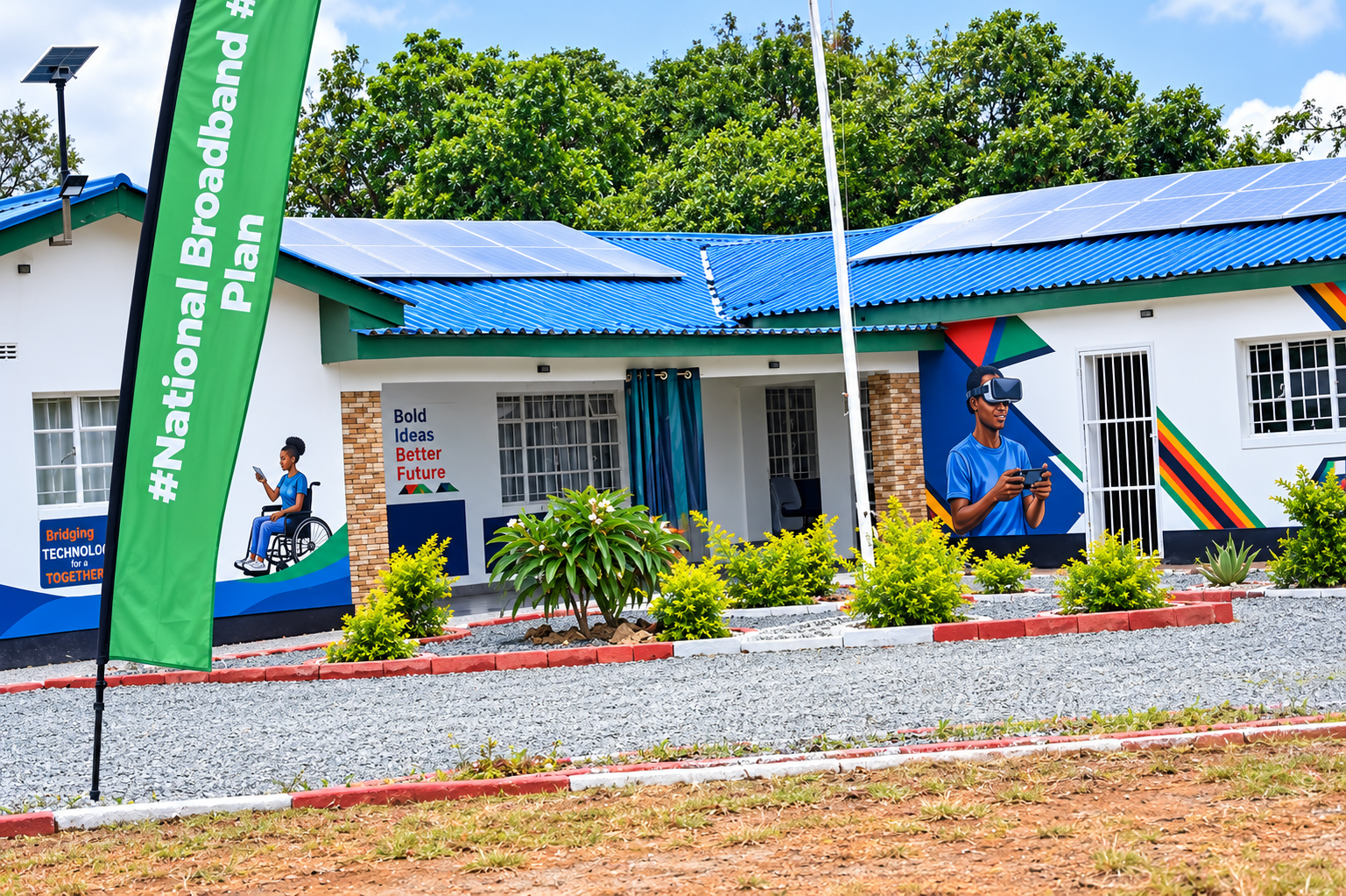
Gokwe North, Zimbabwe – Zimbabwe has launched its first rural artificial intelligence (AI), digital and innovation hub at the Nyamuroro Vocational Training Centre in Gokwe North, a remote district in the Midlands Province, marking a deliberate effort to extend technology training beyond urban centres.
The facility, opened in early October 2026, has enrolled 52 young people from the local community who have already begun digital skills training. The Ministry of Information Communication Technology, Postal and Courier Services supplied 20 laptops to equip the hub.
It was established through a partnership involving the Ministry of Youth Empowerment, Development and Vocational Training, the United Nations Development Programme (UNDP), and Uncommon.org. Officials describe it as the ICT ministry’s first AI digital innovation hub located in a rural area.
“Zimbabwe’s digital transformation must not be confined to our cities and urban centres,” said Kudakwashe Mupanhanga, Deputy Minister of Youth Empowerment, Development and Vocational Training, representing Minister Tinoda Machakaire. “It must reach our villages and rural communities so that no young person is left behind because of where they live.”
The hub will provide access to computers, training in digital skills, AI, coding and innovation. It aims to link rural learners to national initiatives, including the 1.5 Million Coders Programme and the government’s cybersecurity programme. Officials have encouraged the development of practical solutions tailored to local needs, such as those for farmers, small businesses and schools.
Minister of ICT Tatenda Mavetera, represented at the launch, stressed the complementary roles of infrastructure and skills: “Connectivity opens the door. Skills enable people to walk through it.”
The initiative builds on the Presidential Internet Scheme, launched in 2025, which seeks to expand broadband access across Zimbabwe’s approximately 2,400 administrative wards. Some reports note the hub is solar-powered and equipped with high-speed connectivity options to address rural infrastructure challenges.
While urban areas have traditionally hosted most tech hubs and training centres, Gokwe North’s selection highlights the government’s focus on reducing the digital divide. The 52 pioneer learners have been urged to prioritise practical skills that can transform their lives and communities rather than simply obtaining certificates.
Details on the full programme cost, exact current connectivity levels at the site, and a timeline for additional rural hubs have not been widely disclosed. Sustainability will depend on ongoing maintenance, instructor capacity and reliable power and internet access in the region.
The launch forms part of broader African efforts to localise AI and digital skills training, particularly in underserved communities, amid growing continental investment in infrastructure, governance and talent development.