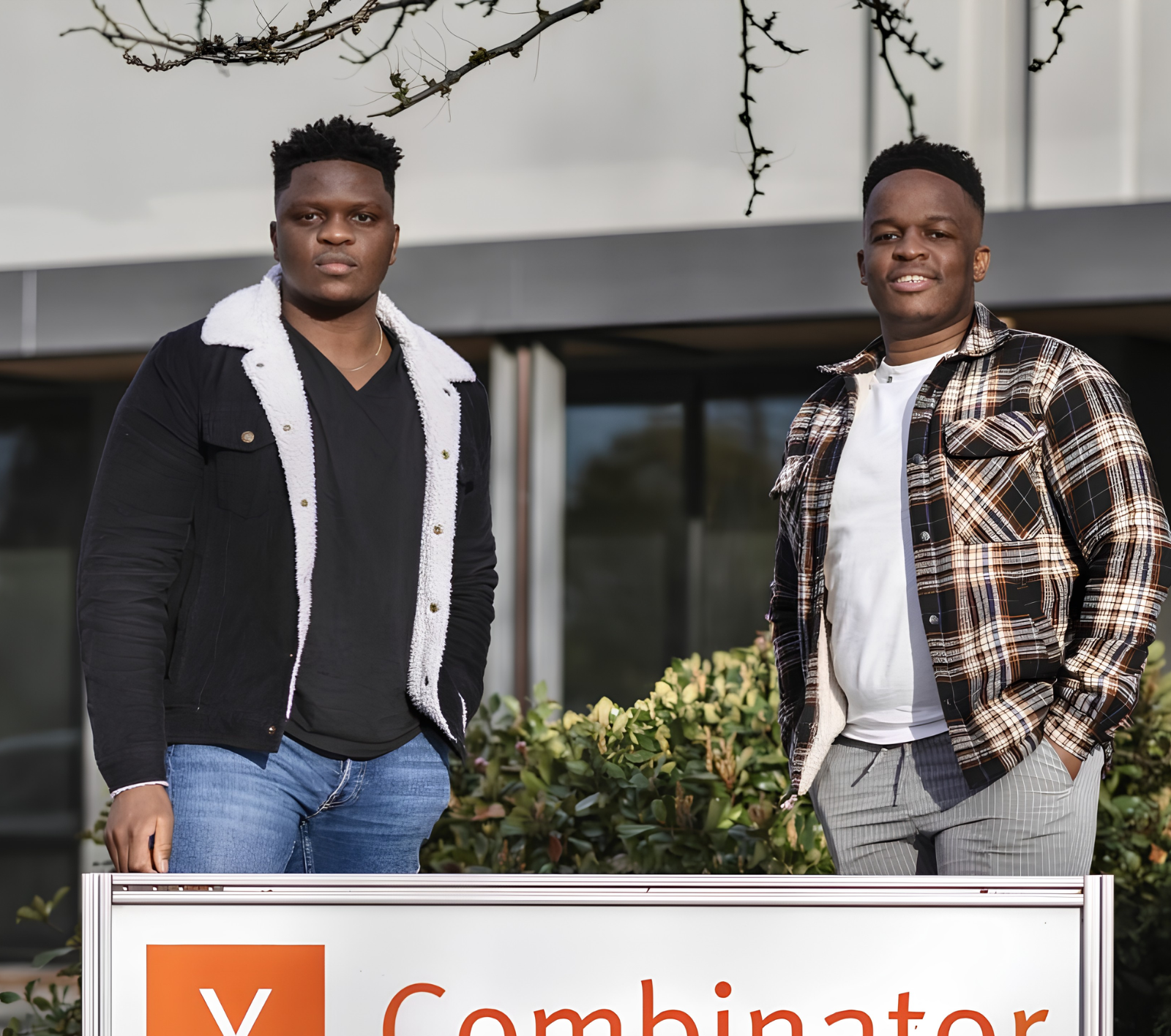
Ocular AI, built by two former Big Tech engineers, sells voice datasets and benchmarks to leading AI labs rather than apps to consumers, a rare route for African-founded startups
SAN FRANCISCO, October 15, 2026 | AI Reports Africa
Most African AI startups sell to people on the continent. Ocular AI sells to the companies building the models everyone else uses.
The San Francisco company, co-founded by Zimbabwean engineers Michael Moyo and Louis Murerwa, announced a $2 million pre-seed round on October 5. It makes specialised datasets, evaluations and benchmarks for frontier AI laboratories and Fortune 100 enterprises, with a sharp focus on voice. The founders say revenue has already reached seven figures.
Who is behind the round
Drive Capital led the investment. Y Combinator, Alumni Ventures, 1745 Ventures (formerly Bertelsmann Digital Media Investments), Orange Collective, MyAsia VC and a group of angel investors also took part, according to the company’s announcement. Dealroom’s analysis places the round above the median for pre-seed deals of its size.
Moyo is chief executive and Murerwa is chief technology officer. Both studied at Dartmouth College on scholarships, according to regional coverage of their story. Moyo went on to work at Microsoft and Murerwa at Google. Murerwa is Zimbabwean. Most coverage describes Moyo as Zimbabwean too, though an earlier report from 2024 described him as Zambian-born.
The company joined Y Combinator’s Winter 2024 batch, and was then reported to be among the first Zimbabwean-led startups admitted to the accelerator. At that stage it was pitched as a workplace tool that connected scattered business software so teams could search across it. The Ocular AI of 2026 is a different business: a data company working at the research end of the AI industry.
The problem they are chasing
Ocular’s pitch rests on a shift in how voice AI is built. For years, talking to a machine meant a chain of three separate systems: one to turn speech into text, a language model to write a reply, and another to read that reply aloud. Because every stage sees only text, the tone, the pauses and the moment you start talking again are lost at the first step.
The newer approach uses a single audio-native model that hears timing and tone directly and decides when to speak and when to listen. Developers call this full duplex. The company points to NVIDIA, Thinking Machines Lab, OpenAI and Google as labs that have shipped or previewed such models.
Ocular argues these systems still fall short in the real world. They struggle with underrepresented accents, miss the small “mm-hmm” signals that keep a conversation moving, and falter when a human interrupts. The founders say the bottleneck is not the quantity of data but its fidelity: recordings of real conversation, with each speaker on a separate clean channel and natural overlaps intact, which barely exist on the open web.
The company also makes a pointed claim about the field’s foundations. In a study it calls Beyond Fisher, Ocular says almost every open full-duplex model still leans on a single telephone-quality corpus recorded in 2004.
What Ocular actually sells
The business combines two things: a network of thousands of vetted domain experts, and in-house research into where models fail. Experts record and label studio-quality conversations, while evaluations show labs precisely where their systems break.
The company has recently added an audiovisual dataset, announced on September 28, for models that watch faces and gestures while listening. It plans to use the same expert network in medicine, law, finance and software engineering.
Ocular is also building what it calls an Applied AI Data Research Lab, anchored by a benchmark family named Converse. The suite tests whether models can understand natural speech, speak with fitting emotion and pacing, handle real-time turn-taking, and turn a spoken request into a completed task. The first benchmark, Converse-STT, which measures transcription of real conversational speech, is already live.
The founders say they put provenance and consent at the centre of the work, with each clip tied to a verified contributor, a consent record and a licence trail. That matters in an industry facing growing scrutiny over where training data comes from.
In the announcement, the founders describe their mission as encoding human expertise into frontier AI models and bringing those models into the real world.
Why it matters for Africa
The company is American-based and its customers are not named, so the immediate benefit to Zimbabwe is symbolic rather than economic. Even so, the story is notable for three reasons.
First, it shows African talent moving up the AI value chain. Instead of building on top of other companies’ models, Ocular supplies the inputs those models depend on.
Second, it points to a gap that African languages and accents could help fill. Ocular says models perform poorly on underrepresented accents and that it prizes data from people who actually speak the languages and dialects involved. The company has not said whether it plans to collect African-language speech or hire African experts at scale. That is the question to watch.
Third, it adds to a growing list of founders from the continent building their companies in the diaspora, closer to capital and customers. Whether those firms keep meaningful ties to home markets is a debate African policymakers will keep returning to.
What remains unproven
Several points rest on the company’s own statements. Ocular has not disclosed its customers, the exact size of its revenue, or the terms of the round. The names of the frontier labs and Fortune 100 clients are confidential. Independent verification of the benchmarks and datasets will matter as the company seeks wider adoption.
The market is also crowded. Data and evaluation providers are competing hard for the attention of the same handful of labs, and those labs are building more of this capability in house.
For now, the founders have momentum, a respected lead investor and a thesis that fits where the industry is heading. The company says it is a small team in San Francisco hiring across research and engineering, and that this round is only the start.